
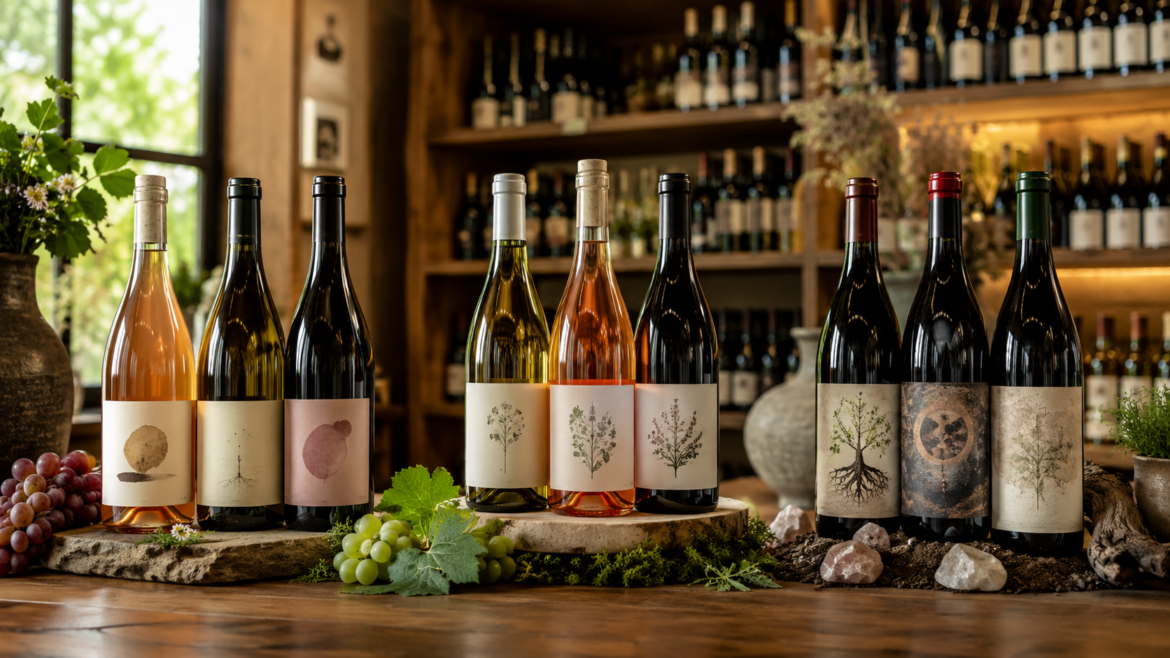
Walk into a Liquor Store today, and you may notice more bottles labeled natural, organic, biodynamic, sustainable, or low-intervention. These terms may sound similar, but they do not always mean the same thing. Each describes a different approach to growing grapes, managing vineyards, and producing Wine.
Understanding these differences can make it easier to choose a bottle that matches your taste, values, and interest in how wine is made. Here is a simple guide to natural wine, organic wine, and biodynamic wine without the complicated wine-world jargon.
What Is Natural Wine?
Natural wine generally refers to wine made with as little intervention as possible. Producers typically use grapes grown organically or without synthetic chemicals, allow fermentation to begin with naturally occurring yeast, and limit the use of additives and processing techniques.
Unlike certified organic and biodynamic wine, natural wine does not have one universally accepted certification or fixed definition in the United States. It is better understood as a winemaking philosophy rather than a strictly regulated category.
Common natural winemaking practices may include:
- Fermenting with native or wild yeast
- Using little or no added sulfites
- Avoiding artificial colors, flavors, and preservatives
- Limiting filtration and clarification
- Allowing the grape and vineyard to shape the final flavor
Because many natural wines are unfiltered, they may appear slightly cloudy or contain harmless sediment. Their flavors can range from fresh and fruit-forward to earthy, tart, funky, or lightly fizzy. That unpredictability is part of the appeal for adventurous wine drinkers.
Natural does not automatically mean organic, however. Since the term is not consistently regulated, it is helpful to research the producer or ask someone at your local Liquor Store how the grapes were grown and how the wine was made.
What Is Organic Wine?
Organic wine is produced under established agricultural and labeling requirements. In the United States, wine carrying the USDA Organic seal must be made from certified organic grapes grown without prohibited synthetic fertilizers, pesticides, or herbicides.
USDA-certified organic wine also cannot contain added sulfites. Sulfites are naturally created during fermentation, so an organic bottle can still contain a small amount naturally. However, sulfites cannot be added during production if the wine is marketed as USDA Organic.
You may also see bottles labeled “made with organic grapes.” This is a different category. These wines use organically grown grapes, but winemakers may add a limited amount of sulfites. Because of that addition, the bottle cannot display the USDA Organic seal.
Organic certification primarily gives shoppers a clearer, regulated way to understand how the grapes were grown and how the bottle was produced. It does not guarantee a specific flavor, sweetness level, or wine style.
What Is Biodynamic Wine?
Biodynamic wine begins with many of the same foundations as organic wine but takes vineyard management further. Demeter-certified Biodynamic farms must first meet National Organic Program requirements before qualifying for Biodynamic certification.
Biodynamic agriculture treats the vineyard as an interconnected living system. The goal is to create a healthier, more self-sustaining farm that relies less on materials brought in from outside sources.
Depending on the vineyard, biodynamic practices may include:
- Creating compost on the property
- Encouraging biodiversity
- Maintaining healthy soil and ground cover
- Integrating plants or animals into the farm
- Following seasonal and natural growing cycles
- Using specialized preparations to support soil and plant health
Certified biodynamic wine must follow standards covering both vineyard farming and wine processing. This creates accountability from the grapes growing in the field to the finished bottle.
Some drinkers believe biodynamic methods help wine express a stronger sense of place, often called terroir. However, biodynamic wine can still come in many styles, from crisp whites and sparkling wines to rich reds.
Natural vs. Organic vs. Biodynamic Wine
The easiest way to understand the difference is to consider what each term emphasizes.
Natural wine focuses on minimal intervention during winemaking. It is generally made with fewer additives and less processing, but the term is not consistently regulated.
Organic wine follows regulated agricultural and production standards. USDA Organic wine is made from certified organic grapes and cannot contain added sulfites.
Biodynamic wine follows organic principles while treating the vineyard as a complete, self-supporting ecosystem. Certified bottles must meet additional farming and processing requirements.
These categories can overlap. A wine may be organic and natural, biodynamic and natural, or certified as both organic and biodynamic. However, one label does not automatically guarantee that the bottle qualifies for every other category.
Which Type of Wine Should You Choose?
The best choice depends on what matters most to you.
Choose natural wine when you enjoy discovering small producers, unusual grape varieties, minimal-intervention winemaking, and flavors that may be less predictable.
Choose organic wine when you want a bottle backed by regulated farming and labeling standards.
Choose biodynamic wine when you are interested in holistic agriculture, biodiversity, soil health, and wines designed to reflect their vineyard environment.
Taste should still be the deciding factor. A well-stocked Alcohol Store or ABC Store may carry bottles from all three categories, so do not hesitate to ask questions about sweetness, body, acidity, food pairings, and flavor profile before making your selection.
Find the Right Wine at Your Local Liquor Store
Reading wine labels can help, but a little guidance can make the shopping experience much easier. Look for recognized certifications, check whether the bottle says “organic” or “made with organic grapes,” and ask about the producer’s farming and winemaking practices. Most importantly, stay curious and try different bottles until you discover the styles you enjoy most.
Whether you are curious about natural wine, searching for a certified organic bottle, or ready to explore biodynamic producers, visit Sauce Monkey Spirits in Fort Mill, SC. Our friendly team can help you explore different Wine styles and find the right bottle for dinner, celebrations, gifts, or a relaxing evening at home. Come visit us today and explore our wide variety of selections.